Skip to content
FORGOTTEN No. 001

Amla

PHYLLANTHUS EMBLICA · One berry. Twenty oranges. Three thousand years. Zero shelf presence. Until now.

Amla, Phyllanthus emblica
FORGOTTEN No. 001 · 1 OF 5
CHAPTER 1 · THE INGREDIENT

The mother fruit, in the flesh.

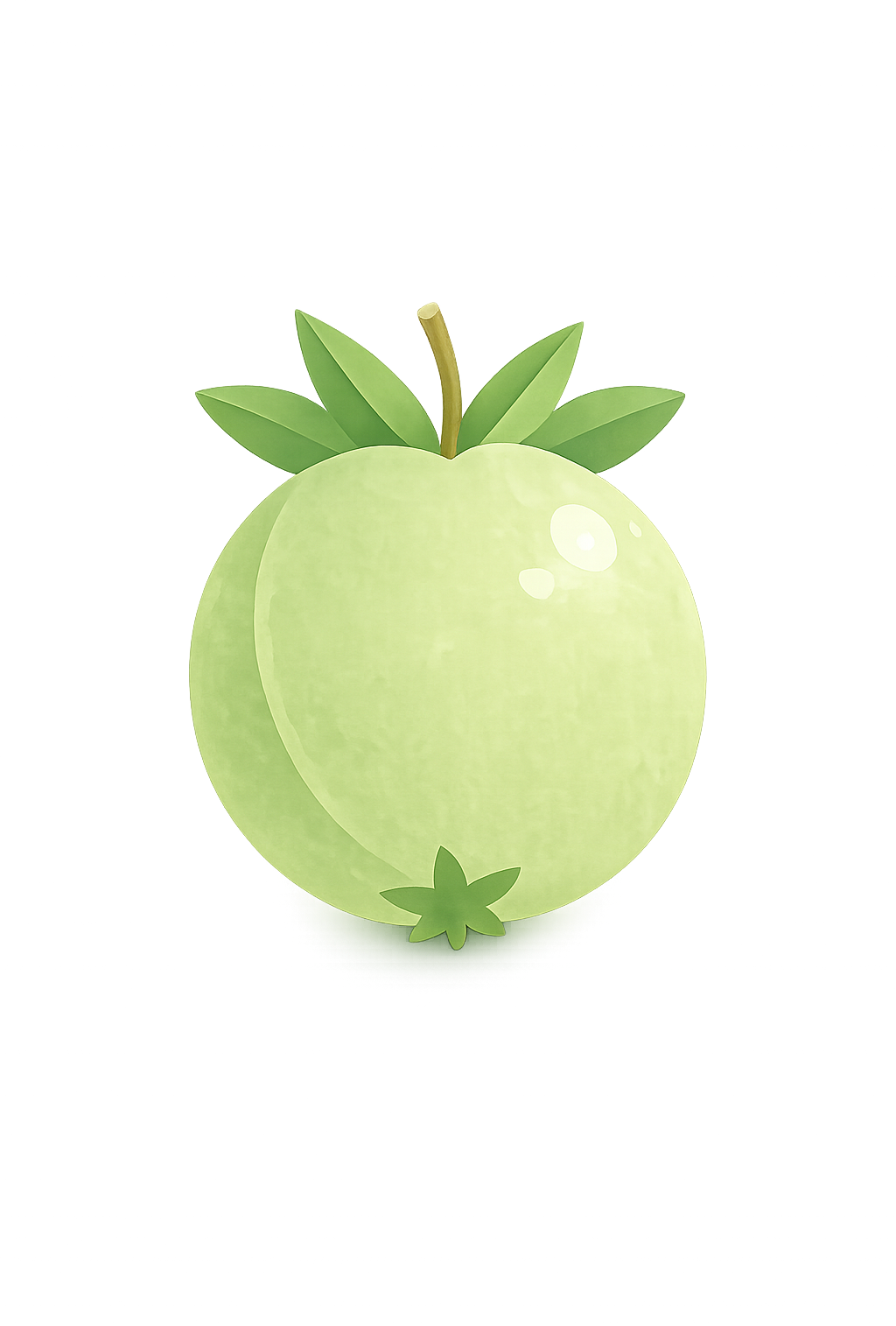
A small, translucent, six-segmented berry that tastes like a dare. Sour, then bitter, then sweet, in that order, on purpose. In its native India it is called the mother, amalaki, the fruit the old texts return to again and again.

CHAPTER 2 · THE HISTORY

Twenty oranges of vitamin C, remembered for millennia.

  • 1000 BCE
  • 500 CE
  • 1600s

Ayurvedic physicians catalogued it three thousand years ago. It traveled trade routes as a preserved fruit and a tonic. One berry is traditionally compared to a bowl of oranges for its vitamin C. The world knew this a very long time before the world forgot it.

CHAPTER 3 · THE FORGETTING

It never made the shelf.

Too sour to sell. Too strange to brand. Too honest for a marketing department that preferred a fruit you could photograph smiling. So the supermarket built its aisles around convenience and beige, and the mother fruit was left in the field.

CHAPTER 4 · THE SCIENCE

Naturally rich in vitamin C and polyphenols.

Amla is naturally rich in vitamin C and plant polyphenols, and has been traditionally used to support skin and digestion. We state this carefully and we state it plainly: we are not making medical claims. We are handing you a fruit the ancients trusted.

CHAPTER 5 · THE RECOVERY

Three ways to swallow the mother.

We recovered amla in three forms: a gel you spoon, a whole fruit in brine you fish out with your fingers, and a morning shot that starts an argument with your day. Pick your ritual.